





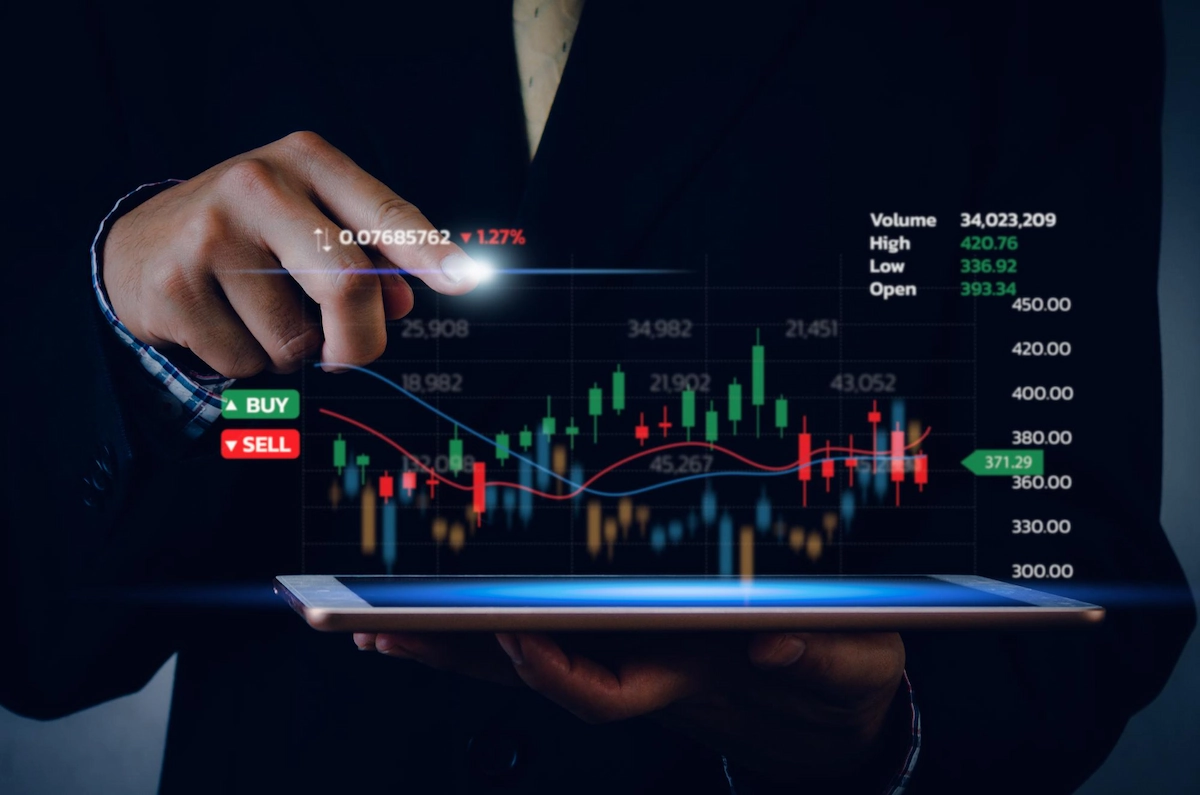
Heatwave trading is the 2025 strategy reshaping markets. Discover new concepts, tools, and insider insights no competitor covers. Read before you trade.
If there’s one phenomenon rewriting market behavior in 2025, it’s the silent but explosive rise of heatwave trading. Until recently, weather-driven trading was mostly limited to agriculture and energy. But something changed.
The new wave of global heat spikes faster, sharper, less predictable has created a market environment where temperature itself behaves like a tradable signal. And traders who know how to read these thermal patterns are capturing moves invisible to traditional technical analysis.
As someone who’s spent years watching markets respond to the smallest disruptions, I can tell you this: heatwaves don’t just influence weather they influence liquidity, volatility, and sentiment. Heatwave trading matters in 2025 because the markets have become hyper-reactive to environmental triggers.
This strategy blends climate-based technical analysis with next-gen AI tools, giving traders an information edge competitors still haven’t recognized.
Section 1: What Is Heatwave Trading?

At its core, heatwave trading is the practice of identifying, analyzing, and trading market behaviors directly influenced by extreme temperature patterns. But the version emerging in 2025 is far more sophisticated than simply predicting commodity surges during a hot season.
Here are new dimensions most competitors never discuss:
1. Heat-Zone Liquidity Behavior
During major heatwaves, liquidity doesn’t just thin it clusters. Market makers often reduce exposure in heat-sensitive sectors, creating “heat-zones” where spreads widen unexpectedly. Traders using a heatwave trading strategy can map these thin zones ahead of time and anticipate rapid bid-ask jumps before they occur.
2. Market Temperature Mapping
Think of it as a thermal chart overlay. Sophisticated traders now pair temperature anomaly data with volume heatmaps to visualize how the market “heats up” or “cools down” in real time. This creates a unique heatwave market pattern that reveals where sudden rotations may occur.
3. Volatility Radiation Effect
Heatwaves create spill-over volatility. Even sectors not directly impacted by temperature—like fintech or telecom—experience “radiation volatility” as capital rotates defensively. Understanding this ripple effect gives traders an edge in predicting indirect price movements.
4. AI-Based Heatwave Risk Clusters
2025’s advanced quant models map risk clusters triggered by extreme heat. These clusters help forecast where unexpected volume spikes, gaps, or micro-crashes may appear. AI isn’t perfect, but its thermal anomaly detection is becoming one of the most powerful weapons in heatwave trading.
Section 2: Why Heatwave Trading Is Rising in 2025?
Several macro and technological shifts have aligned, making heatwave trading one of the fastest-growing strategies of the year.
1. Climate-Driven Supply Chain Volatility
Extreme heat now disrupts supply chains faster than geopolitical events. Factory shutdowns, crop loss, energy shortages—these ripple directly into asset prices. Traders who capture early signals can anticipate moves hours or days before mainstream analysis catches up.
2. Algorithmic Market Temperature Analysis
Institutional quants have quietly begun feeding thermal anomaly datasets into their trading engines. When algorithms react to heat, so do prices. Retail traders embracing heatwave trading are essentially riding the wave generated by these temperature-sensitive machines.
3. Retail Investor Sentiment Spikes
A surprising element: retail sentiment amplifies heatwave-driven moves. As extreme weather becomes a mainstream discussion topic, retail traders enter climate-linked positions with emotional conviction. This sentiment accelerates trends and magnifies opportunities for those using a structured heatwave trading strategy.
Section 3: How Heatwaves Influence Market Behavior?
Heatwaves affect markets in ways that traditional trading textbooks never imagined.
1. Heatwave-Triggered High-Frequency Trade Bursts
HFT algorithms programmed with climate triggers unleash rapid-fire bursts when local or global heat thresholds breach. These bursts create short-term distortions in spreads, often lasting seconds—but profitable for those who anticipate them.
2. Commodity Demand Distortions
A single temperature spike can bend the demand curve for natural gas, water, agricultural commodities, and even certain metals used in cooling systems. These distortions are nonlinear—prices overreact before cooling down.
3. Shadow Volatility Pockets
A unique phenomenon: shadow volatility emerges when markets expect a heatwave but don’t fully price it in. This hidden volatility sits under the surface and erupts once temperature readings confirm the severity.
4. AI Misreading Heat-Driven Trading Cycles
AI loves patterns—but heatwaves break patterns. During sudden temperature shifts, models misread cycles, creating exploitable inefficiencies. Traders who understand weather-driven trading can capitalize on these AI-generated mispricings.
Section 4: A Step-By-Step Strategy to Use Heatwave Trading
Here is a complete, original framework built for 2025 markets.
Step 1: Identify the “Heat Pulse”
A heat pulse is the moment early temperature anomalies begin forming in weather data. This is the earliest possible signal for heatwave trading. Traders monitor region-specific deviations—not averages.
Step 2: Map the “Liquidity Mirage”
During heat pulses, liquidity temporarily appears stable but is actually fragile. This is a mirage. By monitoring spread behavior and volume compression, traders can see which sectors will experience heat-zone liquidity gaps.
Step 3: Track “Market Thermal Drift”
Thermal drift refers to slow directional movement as markets adjust to expected heat impacts. This drift usually precedes the breakout moves that define heatwave market pattern surges.
Step 4: Enter Using the “Hot Zone Entry Model”
Enter trades when:
-
volatility radiation appears
-
heat-zone liquidity shows thinning
-
sentiment spikes around heat-sensitive assets
This model prioritizes high-probability entries aligned with thermal momentum.
Step 5: Exit With the “Cool-Down Divergence Rule”
Profits are captured by identifying divergences between cooling temperature projections and slowing market momentum. When these diverge, the move is ending. This keeps traders from overstaying trend exhaustion.
Section 5: Advanced Tools & Indicators
To master heatwave trading, traders can use newly developed custom indicators. These aren’t found in standard platforms but can be coded manually.
1. HSI – Heatwave Strength Index
Calculates the force of a temperature anomaly weighted against sector volatility and historical climatic deviation. A rising HSI often precedes strong sector rotations.
2. TIR – Thermal Impact Ratio
Shows how intensely a market reacts to heat relative to expected impact. High TIR = price overreaction. Low TIR = hidden accumulation opportunities.
3. MTR-V – Market Temperature Reaction to Volume
Tracks volume spikes tied to climate events. When volume surges with rising temperature gradients, breakout reliability increases.
4. H-Bands – Heatwave Volatility Bands
These are volatility bands adjusted for real-time temperature anomalies rather than price history alone. H-Bands tighten before heatwave-driven breakouts.
Section 6: Real-World Scenarios
Scenario 1: Agriculture Futures During a Heatwave
A severe Midwest heatwave begins forming. HSI readings spike. Liquidity mirages appear across soybean and corn futures. As the heat pulse strengthens, shadow volatility emerges. Thermal drift pushes prices upward before supply data confirms crop stress. Heatwave trading allows a trader to enter days earlier and exit at the cool-down divergence.
Scenario 2: Solar Energy Stocks Reacting to Temperature Surges
A prolonged heatwave in Southern Europe boosts solar output, but also raises equipment stress concerns. Traders using the hot zone entry model capitalize on volatility radiation across solar ETFs, anticipating both bullish installation sentiment and bearish overheating risks—creating profitable long–short setups.
Scenario 3: Water Scarcity Driving Utilities Sector Swings
Local micro-heatwaves in East Asia strain water reserves. Utilities spike unexpectedly as demand surges for desalination and water-management tech. MTR-V confirms high market temperature reaction, signaling a strong breakout long before news outlets highlight the crisis.
Section 7: Mistakes Traders Make
Even advanced traders make heatwave-related errors. Here are uncommon but costly ones:
1. Misreading Thermal Lag
Markets don’t always react on day one of a heatwave. Many traders underestimate this lag and enter too early.
2. Ignoring Local Micro-Heatwaves
Localized temperature anomalies can move regional stocks, utilities, and agriculturals—even when national averages appear normal.
3. Overestimating Heat-Correlated Demand Surges
Some traders assume heat equals higher demand. But overreaction is common. TIR helps differentiate real demand from speculative hype.
Conclusion
Heatwave trading is no longer a niche idea—it’s becoming a core pillar of weather-driven trading strategies reshaping global markets in 2025. As temperatures rise and markets respond faster than ever, traders who understand heat pulses, liquidity mirages, and thermal drift gain a competitive edge. The next generation of climate-based technical analysis belongs to those willing to adapt early.
FAQs About Heatwave Trading
1. What is heatwave trading?
Heatwave trading is a strategy that analyzes how extreme temperature patterns influence liquidity, volatility, sentiment, and price movements in financial markets. It uses climate-based technical analysis and AI-driven thermal data to predict market reactions faster than traditional trading methods.
2. Is heatwave trading only for commodities?
No. While commodities like agriculture and energy react strongly to temperature spikes, heatwave trading also affects solar stocks, utilities, water-management companies, insurance providers, and even tech sectors through indirect volatility radiation.
3. How do heatwaves influence market volatility?
Extreme heat triggers high-frequency trade bursts, shifts liquidity zones, distorts commodity demand, and creates shadow volatility pockets. These behaviors often lead to sudden market rotations and unpriced risks.
4. What tools do traders use for heatwave trading?
Traders rely on unique indicators such as the Heatwave Strength Index (HSI), Thermal Impact Ratio (TIR), Market Temperature Reaction to Volume (MTR-V), and Heatwave Volatility Bands (H-Bands). These tools help identify heat pulses, liquidity mirages, and breakout opportunities.
5. Is heatwave trading reliable for long-term investing?
Heatwave trading is primarily a short- to mid-term strategy because weather patterns shift quickly. However, long-term investors can use it to anticipate structural trends like water scarcity, renewable energy growth, and climate-related supply chain disruptions.
6. Can beginners use heatwave trading strategies?
Yes—if they start simple. Beginners can monitor heat pulses, analyze sector sensitivity, and practice identifying market thermal drift before using advanced indicators like H-Bands or TIR.
7. What markets are most affected by heatwaves?
Agriculture futures, natural gas, water utilities, renewable energy, insurance, and local industrial stocks are most sensitive to heat-driven market changes. Regional micro-heatwaves can also move local markets unexpectedly.
8. Do AI models help with heatwave trading?
Yes. AI models can detect heatwave risk clusters and forecast anomalies. However, they sometimes misread rapid heat-driven cycles, creating inefficiencies that skilled traders can exploit.
9. What mistakes should traders avoid?
Common mistakes include misreading thermal lag, ignoring micro-heatwaves, and overestimating heat-related demand surges. Using indicators like TIR and MTR-V helps reduce these risks.
10. Is heatwave trading the future of weather-driven trading?

Absolutely. As global temperatures rise and markets become more reactive, heatwave trading is emerging as a key component of climate-based technical analysis. Traders who adopt it early will have an edge in 2025 and beyond.