





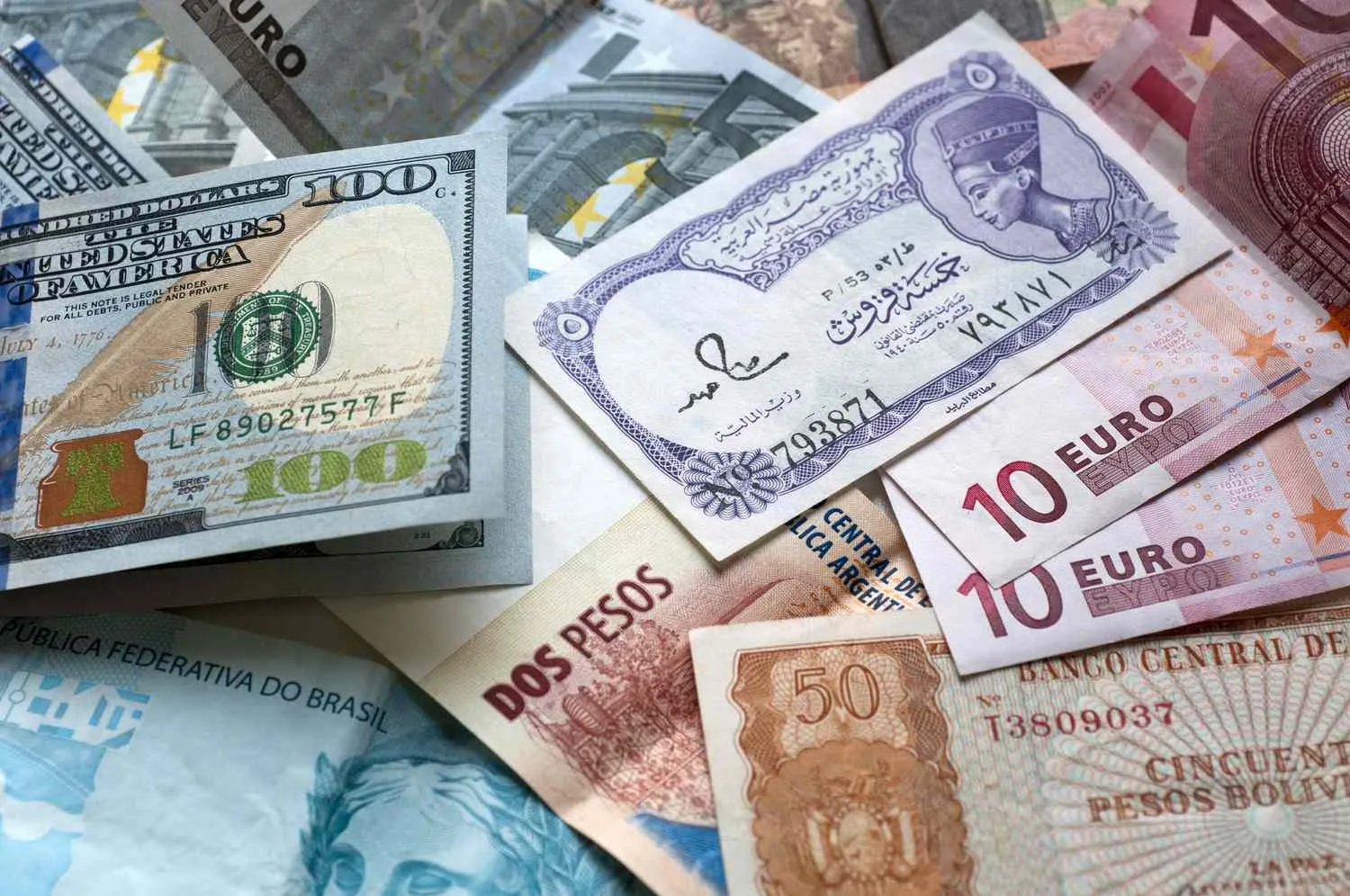
Currency adjustment factor is a crucial tool for businesses aiming to protect profits and optimize pricing in global trade. In an era of volatile foreign exchange rates, leveraging CAF can mean the difference between financial stability and unexpected losses.
In today’s interconnected global economy, businesses face constant fluctuations in foreign exchange rates that can impact profits, pricing strategies, and international contracts. The currency adjustment factor (CAF) is a critical financial tool that allows companies to navigate these fluctuations with greater confidence.
In this comprehensive guide, we will explore the ins and outs of currency adjustment factors, including their calculation methods, practical applications, industry trends, and strategic implications for businesses and investors.
What Is a Currency Adjustment Factor?

A currency adjustment factor is essentially a multiplier or percentage applied to the price of goods or services to account for changes in exchange rates. Its purpose is to stabilize revenue and costs when trading internationally, mitigating the risks of currency volatility.
For instance, if a U.S.-based company exports machinery to Europe, any sudden depreciation of the euro could reduce the company’s revenue in dollar terms. Implementing a CAF ensures that pricing reflects current exchange rates, protecting both the seller and the buyer from unexpected financial swings.
Why Currency Adjustment Factors Exist?
Global trade inherently involves multiple currencies, each subject to fluctuations caused by economic indicators, geopolitical events, and market sentiment. Without a currency adjustment factor, companies face:
- Profit erosion: Sudden currency depreciation can reduce margins.
- Contract disputes: Fixed pricing in unstable currency conditions can lead to disagreements.
- Competitive disadvantage: Companies unable to adjust prices dynamically may lose market share.
CAF exists as a practical hedge, ensuring that businesses remain financially stable while maintaining fair pricing.
Methods of Calculating Currency Adjustment Factor
Calculating a CAF can vary depending on the industry, contract type, and risk appetite. Common approaches include:
1. Fixed Percentage Method
This is the simplest approach. Companies apply a predetermined percentage based on historical volatility.
Example: A company exports electronics from the U.S. to Canada and applies a 2% CAF. If the product costs $1,000 USD, the adjusted price would be $1,020 USD.
2. Exchange Rate Fluctuation Method
Here, the CAF is calculated based on the actual movement of exchange rates over a given period.
Example Calculation:
- Base exchange rate: 1 USD = 0.90 EUR
- Current exchange rate: 1 USD = 0.92 EUR
- CAF = ((0.92 – 0.90)/0.90) * 100 = 2.22%
The product price in euros would then increase by 2.22% to reflect currency changes.
3. Sliding Scale or Tiered Approach
Some industries, particularly commodities, use tiered CAFs. Small currency movements may not trigger price adjustments, but larger deviations do.
Example:
- Fluctuation <1%: No adjustment
- 1–3%: Apply 1.5% CAF
-
3%: Apply full adjustment based on actual change
This approach prevents over-adjustment due to minor, short-term currency fluctuations.
Real-World Applications of Currency Adjustment Factor
1. International Trade

Exporters and importers use CAF to manage the impact of foreign exchange on contracts. For instance, shipping companies often include CAF in freight charges to account for volatile fuel costs and foreign exchange rates.
2. Corporate Accounting
Multinational corporations employ CAF in budgeting and forecasting. Adjusting revenues and costs for expected currency shifts provides a more accurate financial picture and informs investment decisions.
3. Energy and Commodities Sector
Global commodity prices are heavily influenced by currency movements. Oil, gas, and metals companies apply CAF to maintain consistent revenue streams across different markets.
4. Technology and Software Licensing
Software companies with global subscriptions may adjust license fees periodically using CAF to align with regional currency strength.
Risks of Ignoring Currency Adjustment Factors
Ignoring or miscalculating CAF can have serious consequences:
- Loss of profitability: Even a 2–3% misalignment can erode profit margins.
- Client dissatisfaction: Unexpected price changes or losses can strain client relationships.
- Financial misstatements: Inaccurate revenue forecasting impacts reporting and compliance.
Opportunities Through Strategic CAF Management
Proper use of currency adjustment factors can provide competitive advantages:
- Enhanced pricing strategy: CAF allows businesses to offer stable pricing despite currency volatility, attracting long-term clients.
- Risk mitigation: Companies can protect margins without relying solely on financial hedges.
- Market expansion: Accurate CAF calculations empower companies to enter new international markets confidently.
Recent Trends and Regulatory Considerations
1. Technology Integration
Advanced software platforms now allow real-time CAF calculations. Artificial intelligence and machine learning can predict currency trends, enabling dynamic adjustments.
2. Regulatory Oversight
Some jurisdictions require transparent CAF disclosures, particularly in publicly traded companies. Ensuring compliance avoids penalties and builds investor confidence.
3. Sustainability Considerations
Global supply chain transparency often intersects with CAF. Companies increasingly integrate CAF within ESG reporting to reflect fair international pricing.
Step-by-Step Guide to Implementing Currency Adjustment Factor

- Analyze Historical Data
- Collect exchange rate history for the relevant currencies.
- Identify volatility patterns and seasonal trends.
- Select Calculation Method
- Choose between fixed percentage, fluctuation-based, or sliding scale methods.
- Integrate into Pricing Models
- Apply CAF to invoices, contracts, and financial forecasts.
- Communicate with Clients and Partners
- Clearly explain how CAF is calculated and under what conditions adjustments occur.
- Monitor and Adjust Regularly
- Reassess CAF periodically based on new market data, geopolitical events, and internal financial objectives.
- Leverage Technology
- Use automation and predictive analytics to refine CAF application in real-time.
Practical Example: CAF in Action
A U.S.-based exporter sells machinery to the U.K. The contract is for £500,000, and the initial exchange rate is 1 USD = 0.75 GBP.
- Determine CAF:
- Exchange rate volatility is 5% over the last 6 months.
- Apply 3% CAF to mitigate risk.
- Adjusted Price:
- £500,000 * 1.03 = £515,000
- Outcome:
- Even if the GBP weakens to 0.73, the company maintains revenue close to the expected USD equivalent.
Common Mistakes to Avoid
- Overcomplicating the CAF: Simple methods often work better than overly sophisticated models.
- Ignoring client communication: Transparency is key to maintaining trust.
- Failing to monitor regularly: CAF is not static; continuous review is essential.
- Neglecting market-specific factors: Regional economic conditions and inflation rates must be considered.
FAQs About Currency Adjustment Factor

Q1: Is a currency adjustment factor the same as a hedge? A: Not exactly. CAF is a pricing tool, while hedging involves financial instruments to mitigate currency risk.
Q2: How often should CAF be updated? A: Ideally, quarterly or whenever significant currency volatility occurs.
Q3: Can CAF be applied to services? A: Yes, especially for subscription-based or long-term service contracts with international clients.
Q4: Does CAF apply to all industries? A: While most relevant for international trade and commodities, CAF can be applied wherever currency exposure exists.
Q5: Are there software tools for CAF calculation? A: Yes, platforms like SAP, Oracle, and specialized FX tools offer automated CAF modules.
Q6: Can CAF impact competitiveness? A: Yes, properly applied CAF can stabilize pricing, enhancing trust and market positioning.
Q7: Is CAF legally required? A: Not typically, but transparency and disclosure regulations may apply in certain jurisdictions.
Conclusion
Understanding and implementing a currency adjustment factor is essential for businesses and investors operating in global markets. It safeguards revenue, stabilizes pricing, and provides a strategic edge in volatile currency environments.