




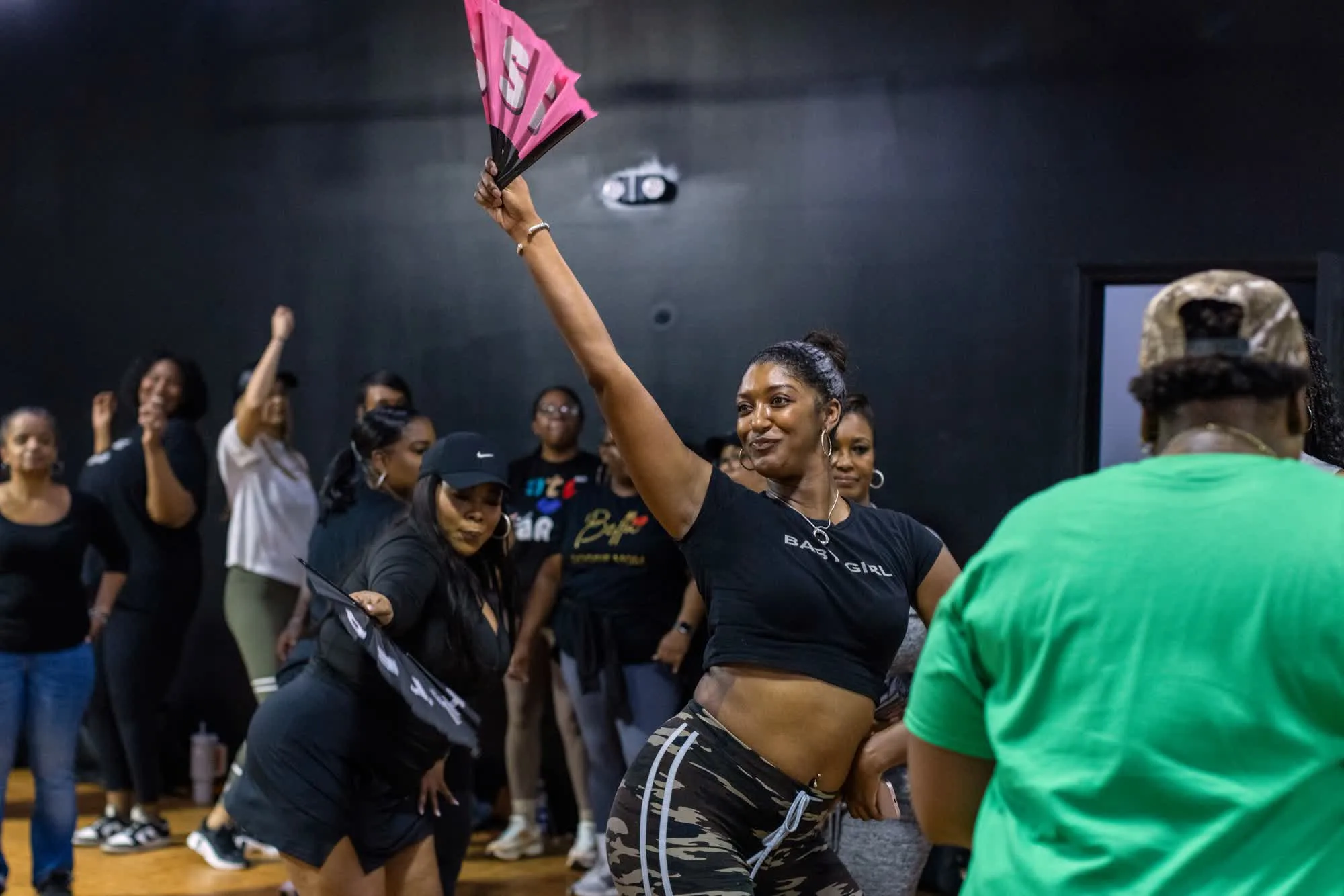
Boots on the ground line dance has a way of connecting people that goes beyond steps and rhythm it taps into a shared heartbeat of culture, tradition, and human connection. For decades, this form of dance has moved through rural halls, county fairs, and modern dance studios, carrying with it a legacy of storytelling, community bonding, and joyful expression.
What makes the boots on the ground line dance so special isn’t just the choreography; it’s the living, breathing cultural tapestry it represents, blending history, music, and emotion into every stomp, slide, and turn.
Origins and History

Line dancing, in its many forms, has roots that stretch far beyond the American countryside, but the boots on the ground style has a particularly rich narrative in the southern and midwestern United States.
Early settlers, influenced by European folk dances especially Irish reels and English country dances brought structured group formations to the new world. These dances were social glue, turning community gatherings into celebrations of life, courtship, and collective joy.
By the mid-20th century, the modern line dance as we recognize it began to crystallize in rural American towns, particularly around honky-tonk bars and community halls.
The term “boots on the ground” evokes not just a literal image of dancers’ feet pounding wooden floors but also a symbolic grounding in local culture. These were dances that reflected everyday life hard work, familial ties, love, loss, and resilience. In these early gatherings, the dance wasn’t just performance it was living history, a rhythmic narrative of the community’s heartbeat.
Modern Meaning and Cultural Shift
Today, the boots on the ground line dance has evolved from local tradition to a broader cultural phenomenon. What was once a rural pastime has crossed into suburban dance clubs, country festivals, and even international workshops. But even as it spreads, its core essence remains: it’s a dance of unity and grounding.
Modern interpretations often mix traditional steps with contemporary music, yet the emotional center of the dance the communal connection—remains intact. Dancers are no longer just performing for onlookers; they are engaging in a shared story.
Social media and online tutorials have amplified its reach, yet the dance retains a tactile intimacy. There’s still nothing quite like the sound of boots hitting a polished wooden floor in unison, echoing like a heartbeat across the room.
Step Breakdown with Emotional Detail
The beauty of the boots on the ground line dance lies in its simplicity paired with expressive potential. Basic steps include grapevines, toe taps, heel digs, and slides, but it’s how dancers infuse them with rhythm, personality, and emotion that makes each performance unique.
Imagine a group at a Saturday night barn dance: the energy is palpable. A single step a kick forward becomes a declaration of joy. A subtle turn conveys flirtation or camaraderie. Every stomp resonates like a heartbeat, grounding dancers and spectators alike.
The steps may be taught in manuals or online videos, but mastery comes from feel, intuition, and a willingness to let the music move the body organically. Emotion isn’t just expressed in facial cues or hand gestures; it’s embedded in the soles of the boots that carry the dancers across the floor.
Community Stories
Communities that embrace the boots on the ground line dance often develop lifelong bonds through it. Take the story of a small Texan town, for instance, where weekly dances bring together generations.
Elders who danced decades ago teach teens, sharing stories of wartime dances, farm celebrations, and courtships that began on the dance floor. In another case, a local veterans’ center started line dance sessions as a therapeutic activity, allowing participants to reconnect with rhythm, memory, and community.
These stories reveal that the dance isn’t just entertainment it’s a vessel for memory, healing, and intergenerational dialogue. It is in these small, often unrecorded moments that the soul of the boots on the ground line dance truly resides.
Music Association
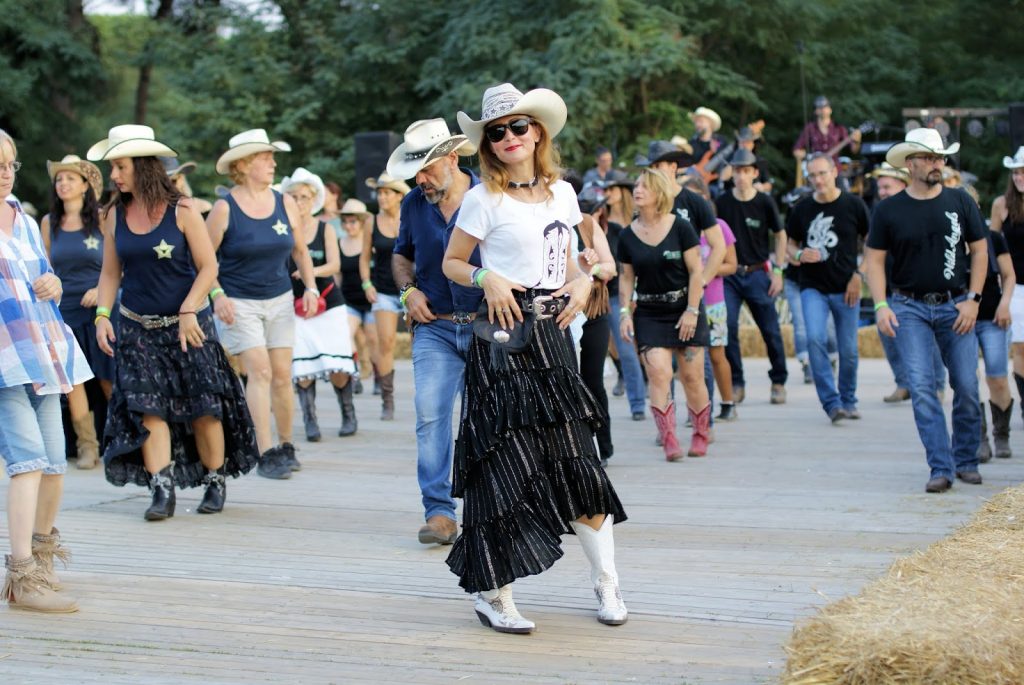
The music that fuels boots on the ground line dance is as vital as the steps themselves. Traditionally, country and western tunes think fiddles, pedal steel guitars, and twanging guitars provided the heartbeat. Modern variations incorporate rock, pop-country fusions, and even EDM elements, but the rhythm remains anchored in a steady, communal beat that invites synchronized movement.
Musicologists note that the repetitive structure of line dance songs mirrors the psychological effects of meditation: repetition fosters focus, togetherness, and emotional release.
Dancers often describe feeling “lifted” by the music, as if the melody itself guides their boots along the floor. In this sense, the boots on the ground line dance is both a physical and emotional conduit, transforming sound waves into shared experience.
Why People Love It Today?
So why has the boots on the ground line dance endured and even grown in popularity? It offers accessibility and community. Unlike partner dances requiring perfect synchronization, line dance welcomes all skill levels, making it inclusive.
Moreover, the dance fulfills a deep human need: connection. In a world dominated by screens, boots on the ground line dance brings people face-to-face, foot-to-floor, heart-to-heart.
There’s also a sense of personal expression within collective movement; even in a coordinated line, dancers can inject individuality into their style, pace, and flair. This balance of unity and freedom is deeply satisfying and explains why festivals, workshops, and social clubs continue to thrive around it.
How It Differs from Other Line Dances?
Not all line dances are created equal. Boots on the ground line dance is defined by its emphasis on grounding, physicality, and storytelling through movement. Some line dances prioritize flashy tricks or high-speed complexity; boots on the ground emphasizes connection, emotion, and rhythm.
It also has a cultural specificity that other line dances may lack. While dances like the Electric Slide or Cha-Cha Slide enjoy global recognition, boots on the ground carries an American rural narrative, steeped in the lived experiences of communities, families, and small-town life. Its power lies not in spectacle but in authenticity and the shared heartbeat it cultivates.
Future Predictions
.jpg?v=b2eea1f8 "Boots on the Ground Line Dance")
Looking ahead, boots on the ground line dance is poised for continued evolution. As technology integrates with social gatherings—think virtual reality dance workshops or AI-curated choreography there’s potential for a new hybridization of tradition and innovation. Yet, the core of the dance will likely remain: grounded, community-focused, and emotionally resonant.
We may see international adaptations that mix local music styles with boots on the ground steps, further cementing its role as a living cultural artifact. Festivals may expand, yet the intimate barn halls, community centers, and living rooms where dancers first felt the heartbeat of the floor will remain its sacred spaces.
Conclusion
Boots on the ground line dance is more than choreography; it is cultural memory in motion, a communal heartbeat, and an emotional outlet. From its historical roots in rural America to modern iterations spanning the globe, it continues to inspire, connect, and ground dancers in ways both physical and emotional.
Its steps, rhythms, and music are vessels for storytelling, memory, and shared humanity, making each dance a celebration of life, community, and soul.
FAQs
Q: Is boots on the ground line dance suitable for beginners?
A: Absolutely. Its steps are accessible, and the dance emphasizes enjoyment and connection over precision, making it perfect for all skill levels.
Q: Can boots on the ground line dance be performed to modern music?
A: Yes. While rooted in country and western tunes, modern adaptations include pop, rock, and even electronic tracks, as long as the rhythm supports the steps.
Q: How does it differ from other line dances?
A: Unlike flashier or more complex line dances, boots on the ground focuses on grounding, emotional expression, and cultural storytelling, emphasizing authenticity and connection.
Q: Is this dance only popular in rural areas?

A: No. While it originated in rural communities, it has spread to urban settings, dance clubs, and international workshops, maintaining its essence wherever it’s performed.
Q: Why do people feel so connected while dancing it?
A: The synchronized steps, communal rhythm, and emotional engagement create a shared heartbeat, fostering deep human connection and joy.