





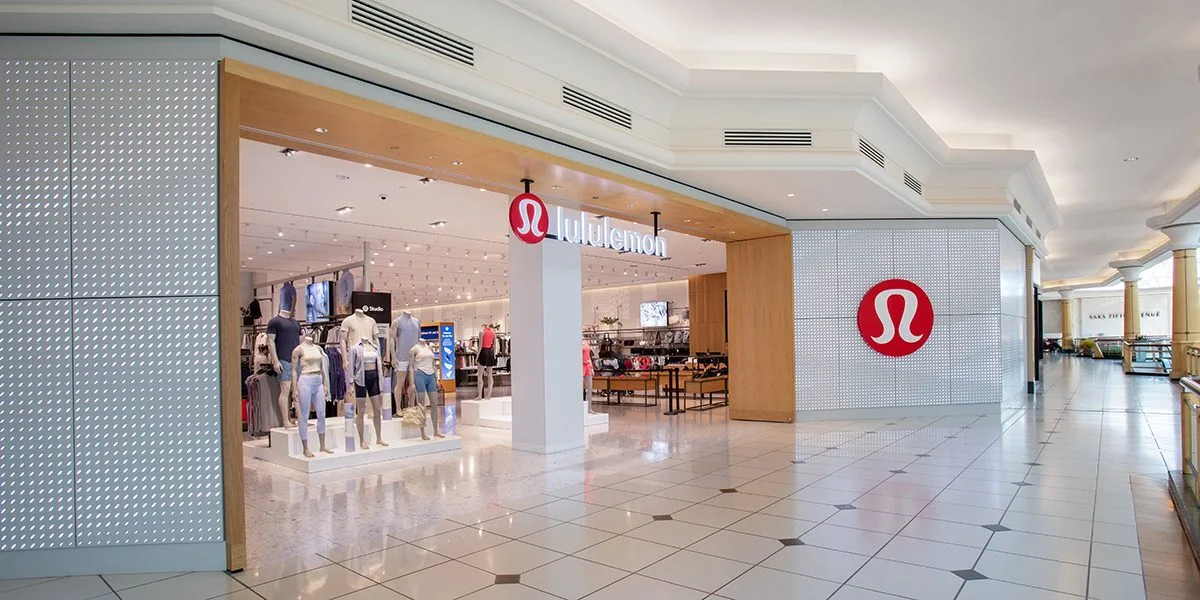
Founded in 1998 in Vancouver, Lululemon started as a niche yoga clothing brand catering primarily to women. Its founders understood that comfort, stretch, and style were non-negotiable for people practicing yoga, and this principle became the foundation of the brand.
Over time, Lululemon expanded its offerings beyond yoga pants, embracing running apparel, gym gear, and everyday athleisure, making it a leader in premium activewear.
Today, Lululemon is recognized not only for its quality and style but also for its community-driven approach. The brand has a global footprint with hundreds of stores worldwide, reflecting its success in merging lifestyle, wellness, and performance in one cohesive identity.
Innovation in Fabrics and Design
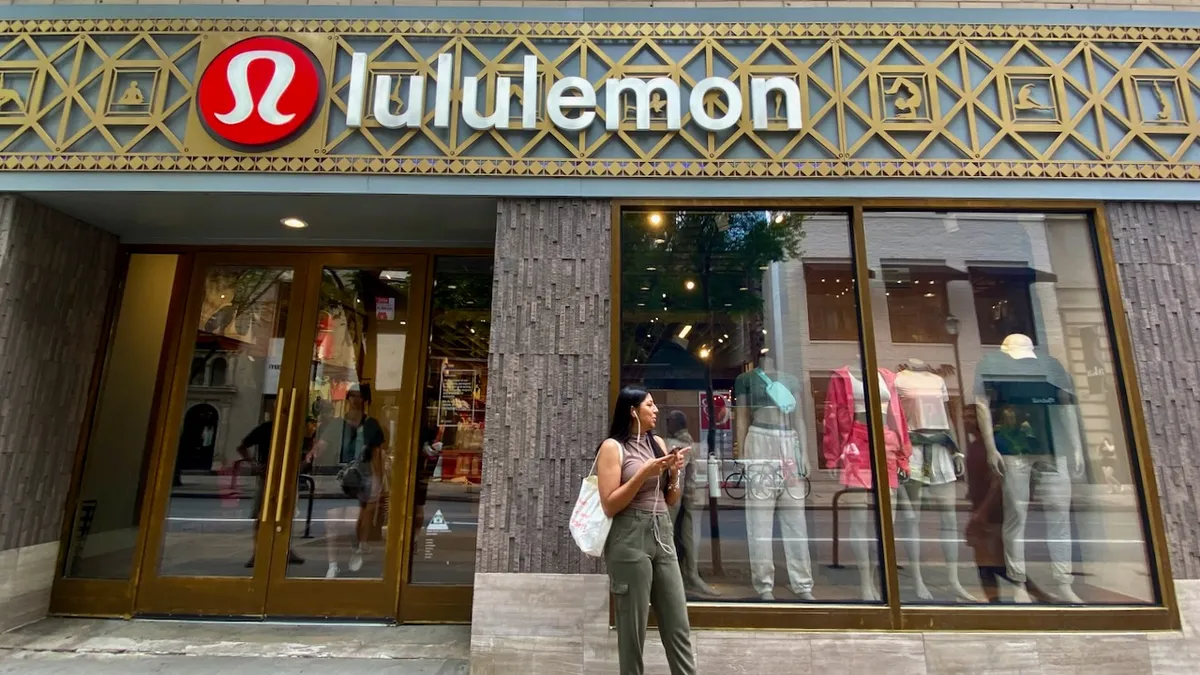
A defining feature of Lululemon is its proprietary fabrics, which set it apart from competitors in both comfort and performance.
-
Luon and Nulu: Designed for flexibility and softness, these fabrics are ideal for yoga and casual wear. Nulu, in particular, is celebrated for its buttery feel and second-skin comfort.
-
Everlux and Warp-streme: Engineered for high-intensity workouts and daily use, these fabrics combine breathability, moisture-wicking, and durability.
-
Performance without compromise: Lulule activewear balances functionality with style, making it versatile enough to move seamlessly from gym sessions to everyday activities.
-
Sustainable fabric innovations: Lulule increasingly uses recycled polyester, responsibly sourced natural fibers, and is exploring circular textile solutions, including garment recycling and biodegradable materials.
This focus on material science allows Lululemon to consistently deliver products that feel premium while supporting various types of movement and exercise.
Customer Experience and Community Engagement
Lululemon’s success is not only due to its products but also its ability to foster a sense of community.
-
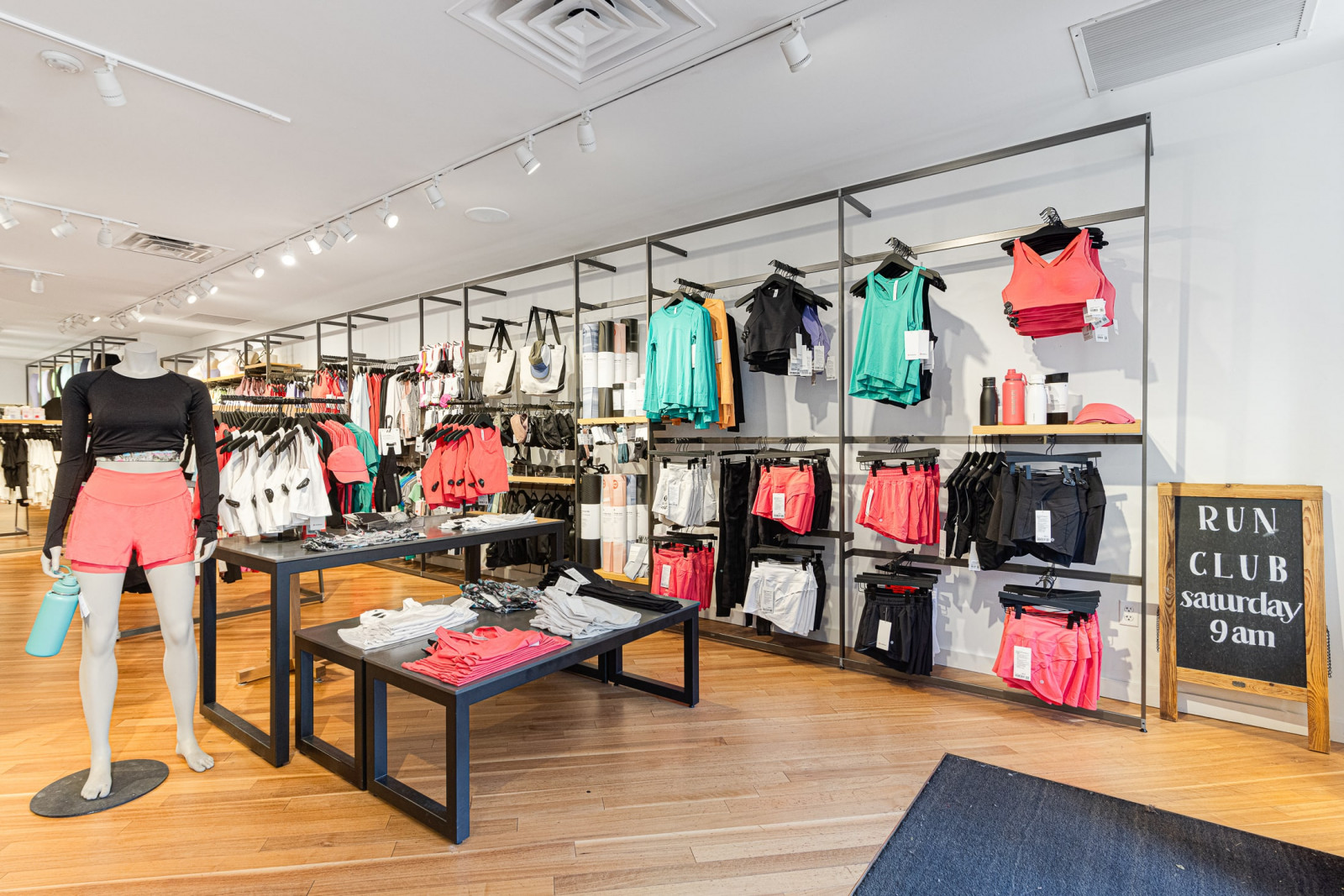
In-store events and workshops: The brand organizes yoga sessions, wellness workshops, and community meetups, creating experiences that go beyond shopping.
-
Sweat Collective and ambassadors: Collaborating with fitness instructors and brand enthusiasts helps Lulule refine products and maintain credibility among active communities.
-
Digital integration: With the acquisition of fitness platforms and an emphasis on online content, Lulule has expanded its reach, engaging customers beyond physical stores.
By building both physical and digital communities, Lulule strengthens its identity as more than a clothing brand—it becomes a lifestyle choice.
Market Growth and Expansion
Lululemon’s growth strategy is multi-faceted, combining store expansion, product diversification, and digital innovation.
-
Global retail expansion: Lulule continues to open stores internationally, targeting new markets while maintaining its premium positioning.
-
Diversification: Beyond women’s yoga apparel, the brand now offers men’s lines, footwear, running gear, and lifestyle products, appealing to a broader audience.
-
Direct-to-consumer model: A significant portion of revenue comes from online sales, reflecting the brand’s ability to merge digital convenience with in-store experiences.
This thoughtful approach ensures Lululemon remains a leader in the competitive activewear market while reaching new demographics and regions.
Sustainability and Ethical Practices

As environmental consciousness grows among consumers, Lululemon has taken steps to reduce its footprint:
-
Recycled and responsibly sourced fabrics: Efforts include polyester recycling, sustainable cotton, and responsible natural fiber sourcing.
-
Circular initiatives: Lulul explores textile recycling programs to transform used garments into new fabrics.
-
Transparency and impact reporting: The brand publicly outlines goals and progress in sustainability, reflecting a commitment to responsible practices.
While Lululemon has made meaningful strides, challenges remain, particularly regarding synthetic materials and circular fashion scalability.
Challenges and Controversies
Even with its strong reputation, Lululemon faces scrutiny:
-
Material sustainability: Many signature products still rely heavily on synthetic fibers, raising concerns about microplastics and environmental impact.
-
Supply chain limitations: Scaling renewable and recycled materials remains a work in progress.
-
Circularity goals: Some ambitious packaging and recycling targets have been delayed or revised, highlighting the challenges of implementing large-scale sustainability initiatives.
Consumers who prioritize environmental impact may weigh these factors against the brand’s quality and performance.
Why Lululemon Matters?
Lululemon is more than a fitness brand—it represents a lifestyle. Its clothing is versatile, stylish, and functional, bridging the gap between performance and everyday wear. For many, owning Lulule is a statement about wellness, mindfulness, and active living.
-
Versatility: From gym to office to casual outings, Lulule pieces adapt to multiple settings.
-
Lifestyle influence: The brand inspires a holistic approach to health, community, and mindfulness.
-
Market leadership: Lulule continues to shape athleisure trends and pushes competitors to innovate in quality, sustainability, and customer engagement.
Future Outlook for Lululemon
Looking ahead, Lulule trajectory is promising:
-
Material innovation: Advancements in recycled, biodegradable, and bio-based fabrics could redefine premium activewear.
-
Global and digital growth: Continued international expansion and enhanced digital engagement will drive revenue and community reach.
-
Sustainability leadership: As awareness grows, Lulule commitment to circularity and ethical sourcing will influence the entire sportswear sector.
The brand’s challenge will be to balance premium performance with genuine sustainability, maintaining trust while scaling globally.
Conclusion
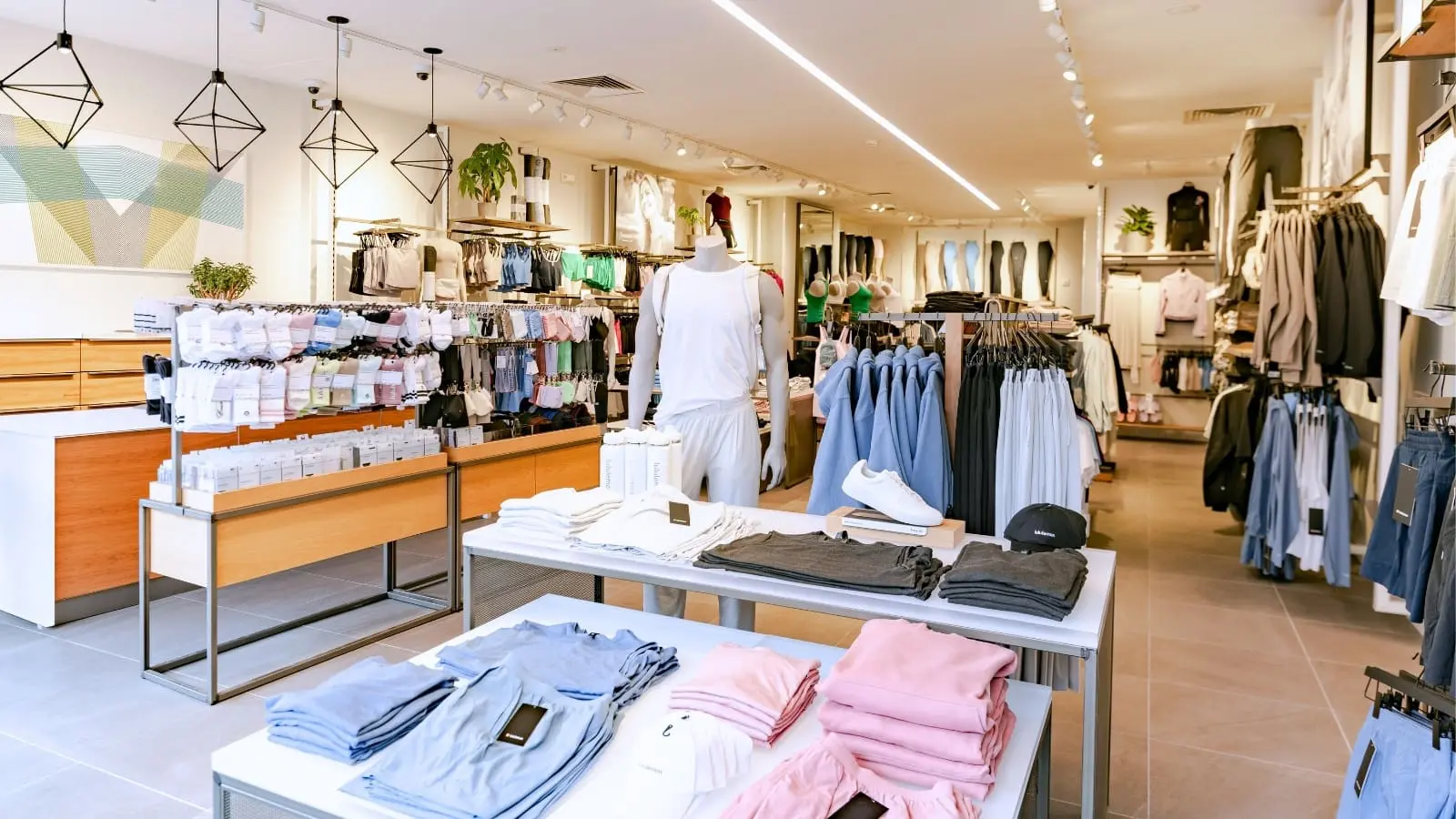
Lululemon has evolved far beyond its yoga studio origins. Through innovation in fabrics, immersive community experiences, strategic expansion, and sustainability efforts, it has become a symbol of premium activewear and modern lifestyle.
While challenges remain in sustainability and material sourcing, the brand’s vision for performance, style, and wellness ensures it remains a leader in the industry. Lulule is not just about clothing—it represents a movement, an ethos, and a commitment to active, mindful living.
FAQs About Lululemon
Q1: Is Lululemon a sustainable brand?
Lululemon uses recycled fabrics, responsibly sourced fibers, and textile recycling initiatives, but most products still rely on synthetic materials. Sustainability progress is ongoing.
Q2: What makes Lululemon products premium?
Proprietary fabrics like Luon, Nulu, and Everlux provide superior stretch, softness, moisture management, and durability, while design is tested by real-world users.
Q3: Does Lululemon only cater to women?
No. Lulule offers extensive men’s lines, footwear, running gear, and lifestyle products.
Q4: How does Lululemon balance physical stores and online sales?
The brand blends in-store community events with a strong e-commerce presence, creating a hybrid model that drives both engagement and revenue.
Q5: Should environmentally conscious consumers avoid Lululemon?
Not necessarily. Lululemon offers high-quality, durable products, but consumers mindful of sustainability may consider supplementing purchases with brands using natural or fully recyclable materials.